

 Shop
ShopArtist Spotlight: Artist and Writer Sara Alabdali
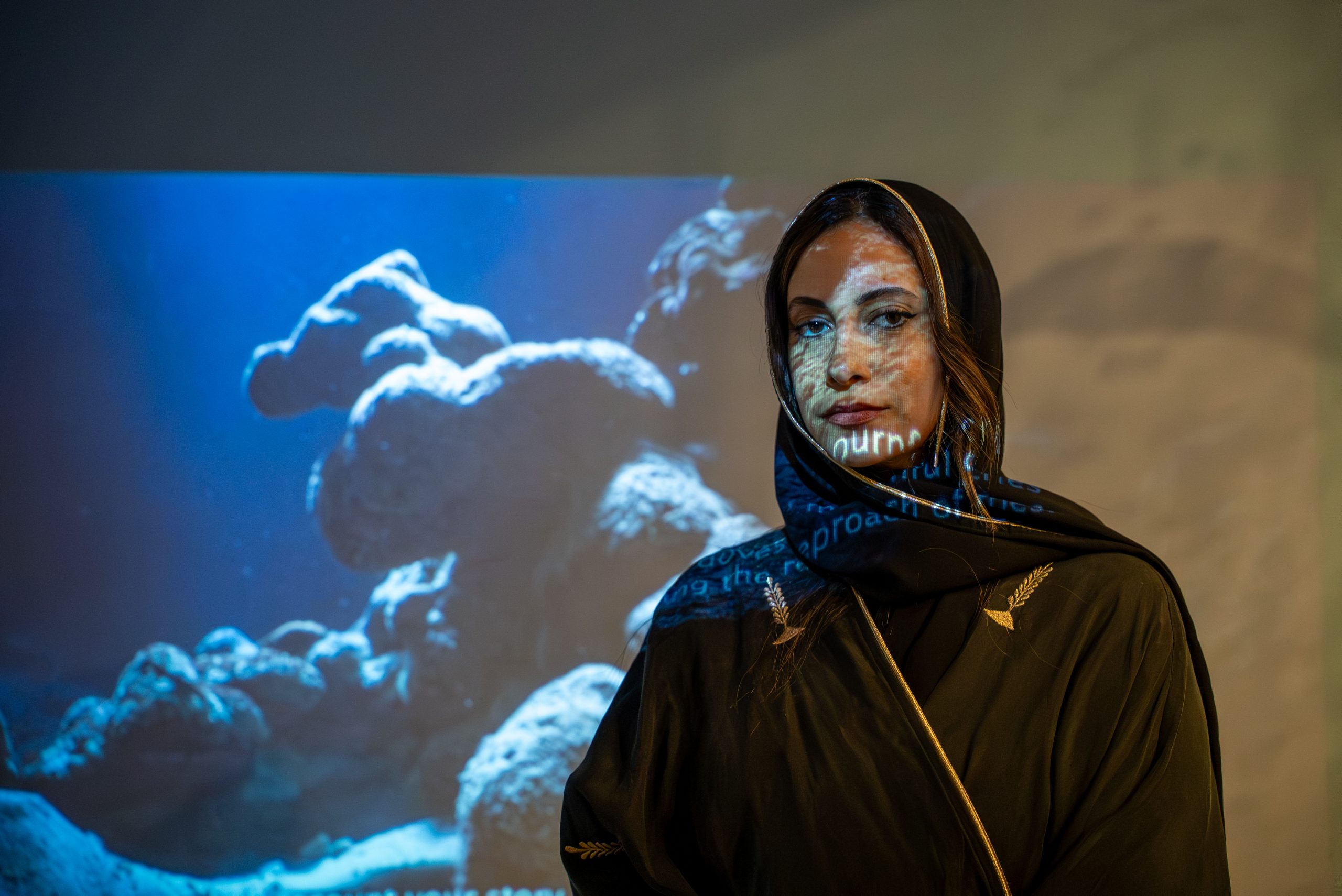
Sara Alabdali is a Jeddah-based artist and writer whose practice is deeply rooted across the fields of art, history, and literature. Through her artworks and writings, she explores and researches the material culture and cultural landscape of the Hijaz region, providing her with a multifaceted outlet for her creative practice.
Sara shared with us her experience in the second edition of the Islamic Arts Biennale as an assistant curator, an opportunity that allowed her greater access to historical objects and artefacts from the Hijaz, enriching the foundation of her own research. She also curates her own solo exhibitions, the latest being ‘The Legends of Motherland’, which took place at the historic Alfalah School in Albalad, Jeddah. Regarding her artistic practice, she spoke about her beginnings in traditional art disciplines, which initially stemmed from a desire to explore Muslim and Arab identity. Over time, these disciplines became a vital and fundamental way for her to regulate her thoughts, granting her a different perspective on her practice, as she is deeply moved by how these traditional methods can explore profound philosophical meanings.
“My style is a language that extends from past traditions and roots itself into our modern-day world”
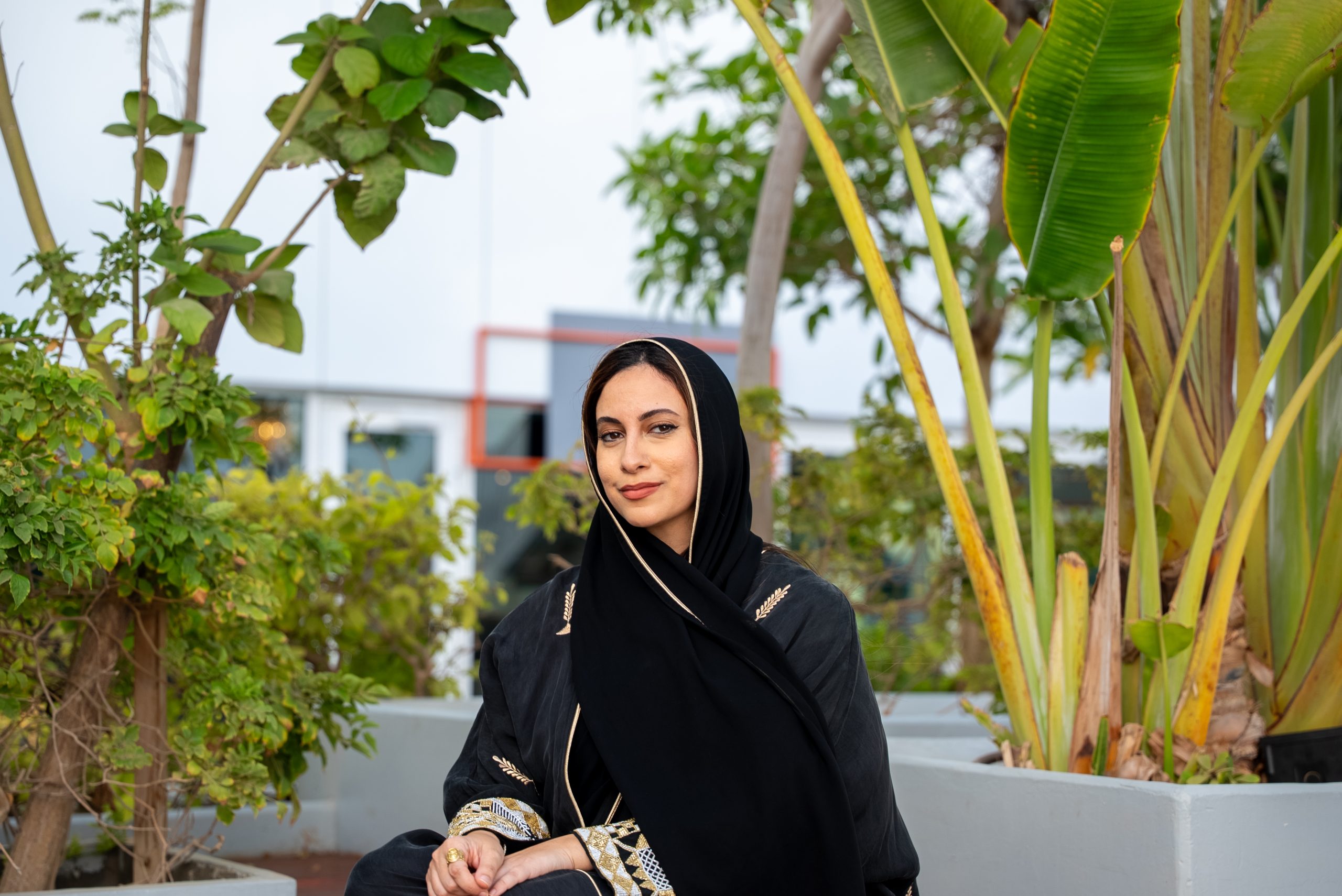
Sara finds her inspiration in mundane and routine matters that people often avoid as a way to move forward in life. In recent years, she found herself submerged in exploring the concept and culture of death in both our present time and throughout history, following several personal losses. She uses her art as a tool to confront and navigate difficulties within these subjects because to her, the creative process is a personal quest that delves into her identity through various shapes and forms in search of answers.
Sara told us about her artwork “Water Poem“, currently showcased in one of Hayy Arts’ present exhibitions, ‘Red Wind, Coral Worlds’. The piece serves as a continuation of a work she presented at the first edition of the Islamic Arts Biennale, titled “After Hijra“, which exhibited 84 tombstones alongside a sound installation of figures narrating the history of Makkah, represented by those tombstones. “Water Poem” explores the story of a young man mourning his cousin who drowned in the Red Sea, through a poignant piece of poetry carved onto a tombstone. Because the stone is broken, several lines of the poem are missing or obscured. The artwork narrates the poetry against a visual backdrop of the Red Sea’s depths, captured by filmmaker Hamida Issa.
Regarding her creative process, she mentioned that works like “After Hijra” and “Water Poem” evolved alongside her research. However, her approach to paintings is typically more intuitive; she envisions the work as a whole and embarks on a journey where the idea translates itself into reality after selecting the materials and mediums she intends to use. To her, the medium is to the artwork what a heart is to a body. The way materials react, age, and oxidise over time are deliberate choices, allowing a hidden conversation to unfold behind layers of paint through the effect of time.
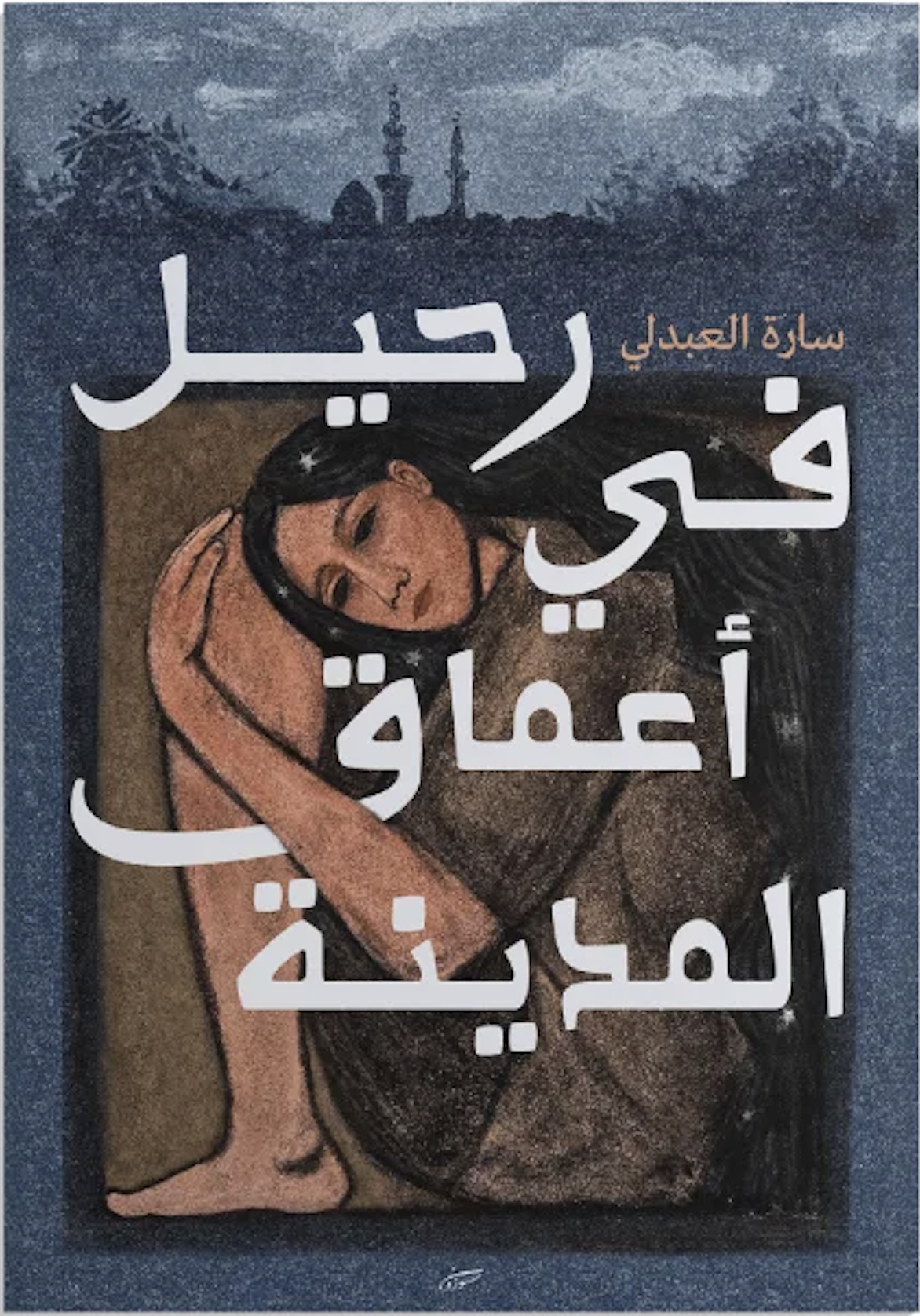
In addition, Sara authored a novel titled Departure in the Depths of Madina, which blends historical fiction with the mythical folklore and traditional tales from the city of Al-Madinah. Among her current projects, she is developing Tabaa’ by Sara Alabdali, a brand dedicated to making art accessible to everyone through a diverse range of items including high-quality prints, home products, and wallpaper. She is also keen on continuing her research into tombstones from the Hijaz region through both her artistic practice and academic foundations.