

 Shop
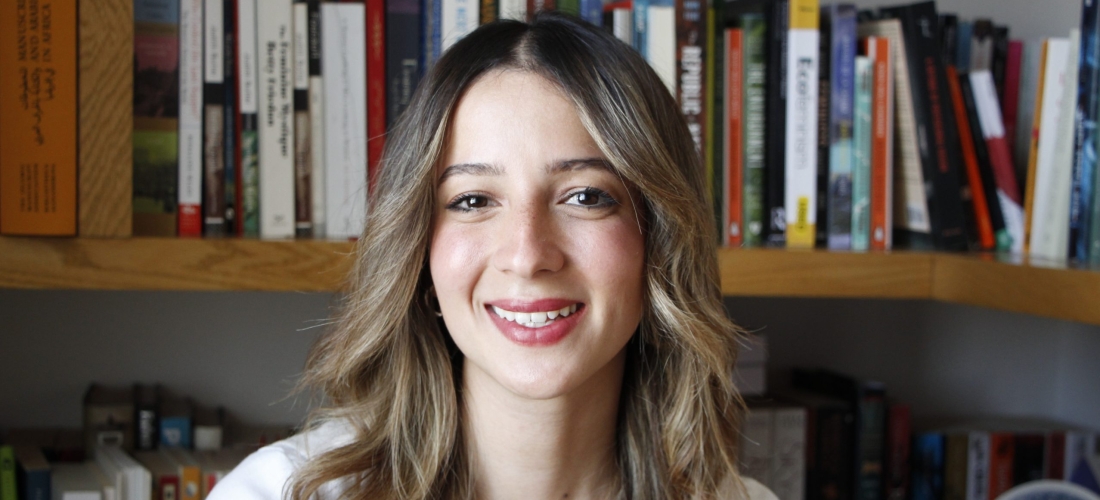
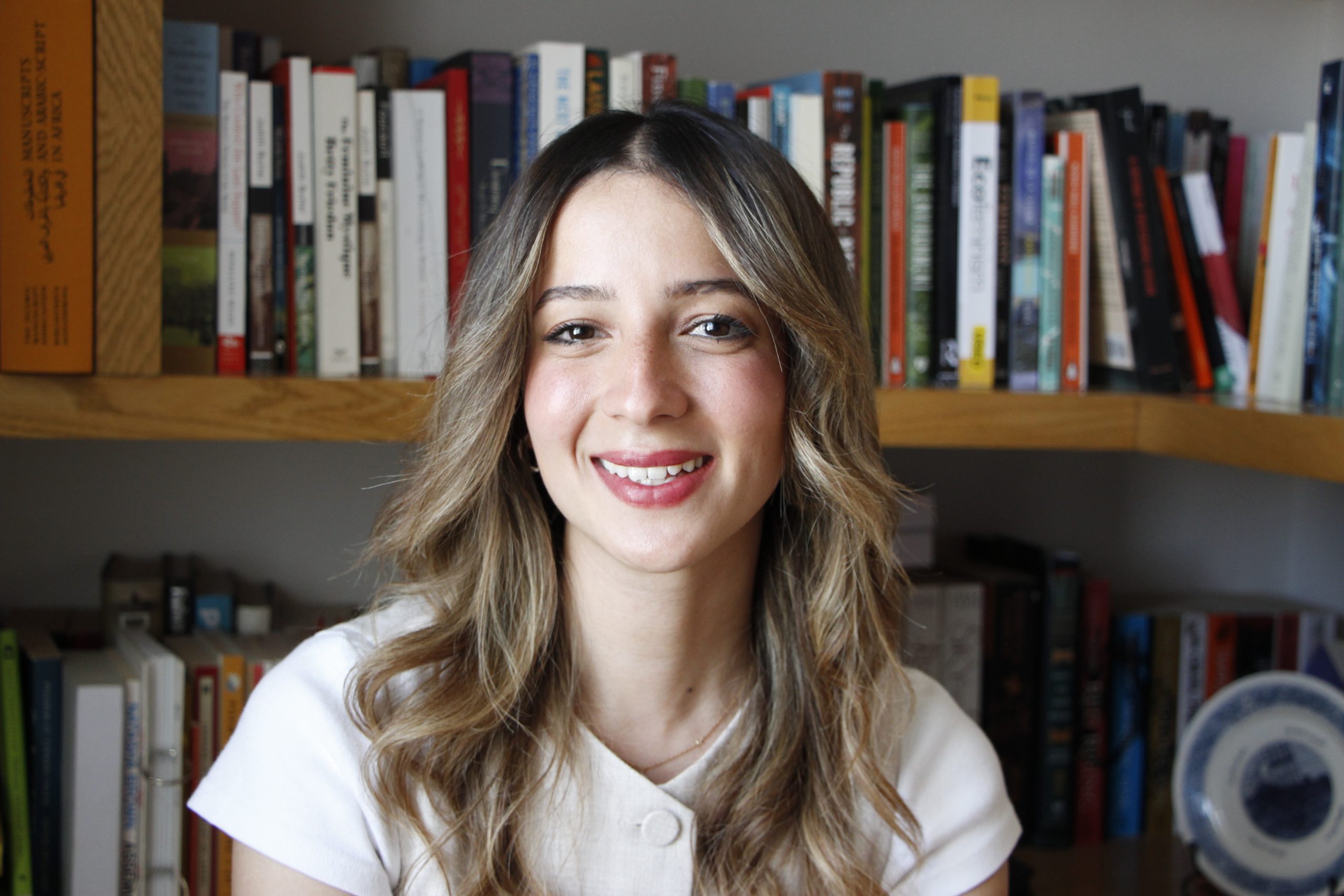
Artist Spotlight: Writer and Publisher Maria Alem
Maria Alem is a Jeddah-based writer, researcher and publisher whose practice spans writing, research and curation. Driven by her endless curiosity and passion for learning, her work explores the relationships between people, places and knowledge, with a particular interest in collaborative practices rooted in their local contexts. Maria co-founded Khunfus Publishing alongside Lama Alem and Haya Bakhashab, an independent publishing house dedicated to creating thoughtful and beautifully crafted books. She is also a member of Maghras, an experimental farm in Al-Hasa.
Maria approaches learning as a way of connecting with others and exploring new subjects and disciplines. She sees each project as an opportunity to listen, exchange knowledge and experiment without the need to claim expertise. Her practice places particular importance on building meaningful relationships and developing ways of working that respect the surrounding environments, communities and their unique contexts.
Maria shared with us how her experience working on the English translation of Saudi artist Safeya Binzagr’s book shaped her understanding of cultural research and knowledge preservation. She reflected on Binzagr’s dedication to her artistic practice, which extended far beyond painting, incorporating historical documentation and community engagement into her work. For Maria, this commitment to knowledge and community continues to serve as an example of the intentional and thoughtful approach she aspires to bring to her own practice.
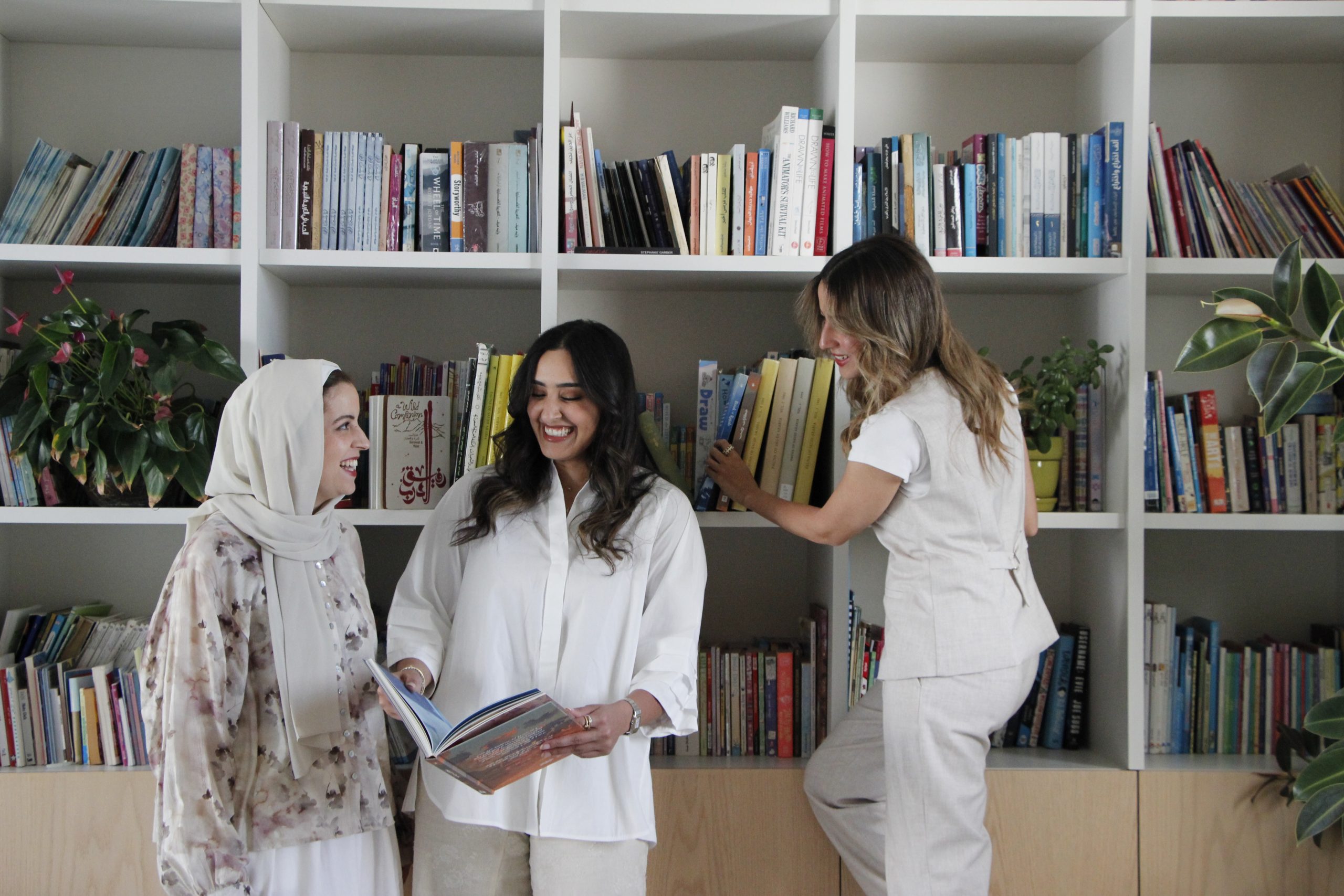
Through Khunfus Publishing, Maria and her co-founders explore the book as both a storytelling medium and a physical object. From the choice of paper and typography to the binding style, every element contributes to shaping the narrative and the reader’s experience. As Maria explains, “The book’s content and materiality are inseparable.” This approach reflects Khunfus’ wider ambition to create space for unconventional publishing, encouraging writers and artists to experiment with literary formats, blend genres and develop their ideas through thoughtful and collaborative creative processes. Among the publishers that inspire Maria are Fitzcarraldo Editions, which she admires for its commitment to championing bold literary works, and Kayfa ta, whose innovative approach transforms the familiar how-to format into a platform for critical exploration.
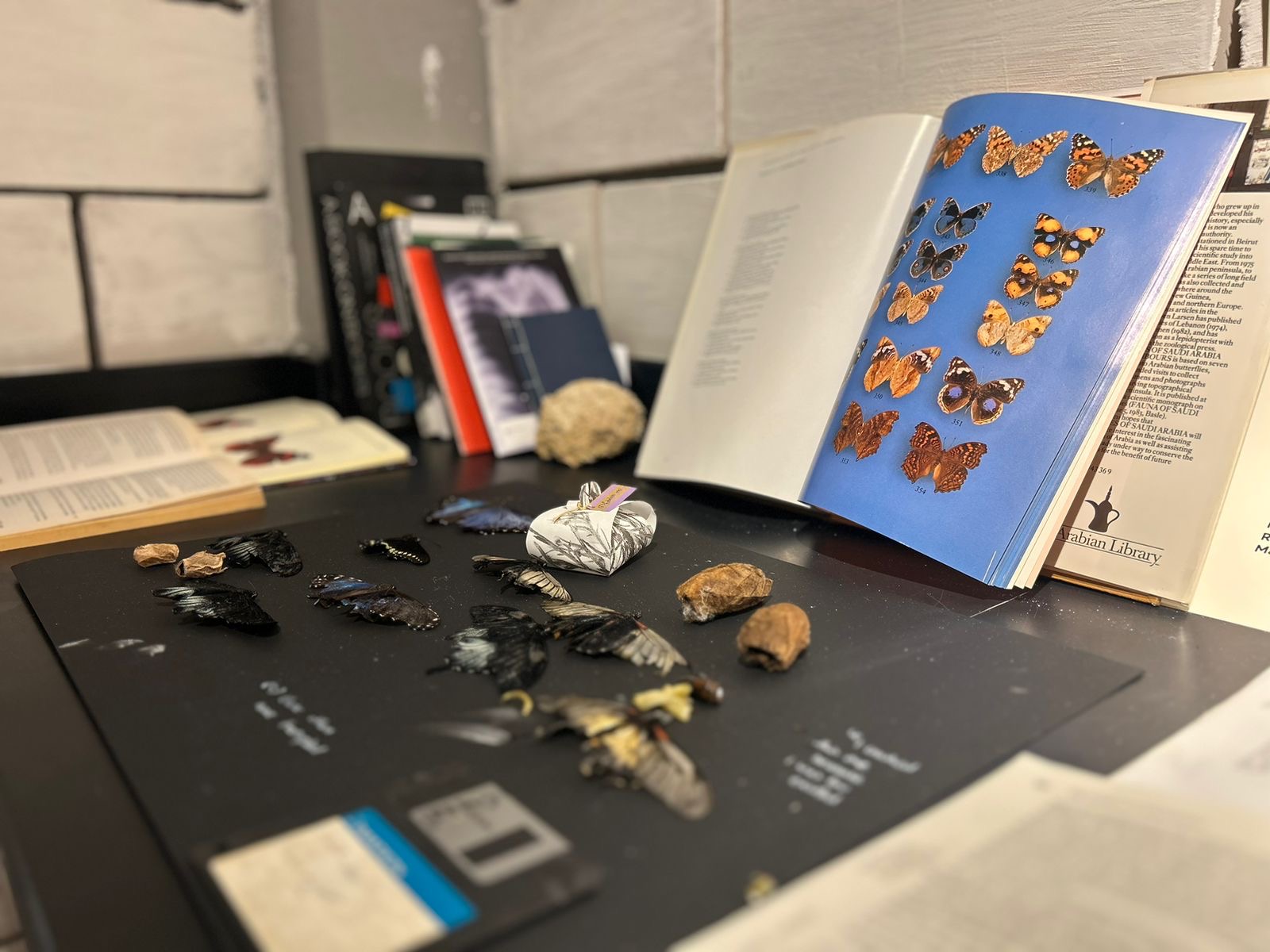
One of Maria’s notable projects is Wild Companion: Sarawat & Hijaz, a book co-authored with Abdulaziz Al-Johani that brings together environmental knowledge, folklore, memory and poetry. The project began as a personal desire to document the lessons Maria had learnt from the mountains and their flora and fauna, before gradually developing into a collective research project. Working alongside botanical experts, illustrators, designers and creatives from various disciplines, the book evolved from an index of local species into a broader exploration of belonging and our relationship with the natural world.
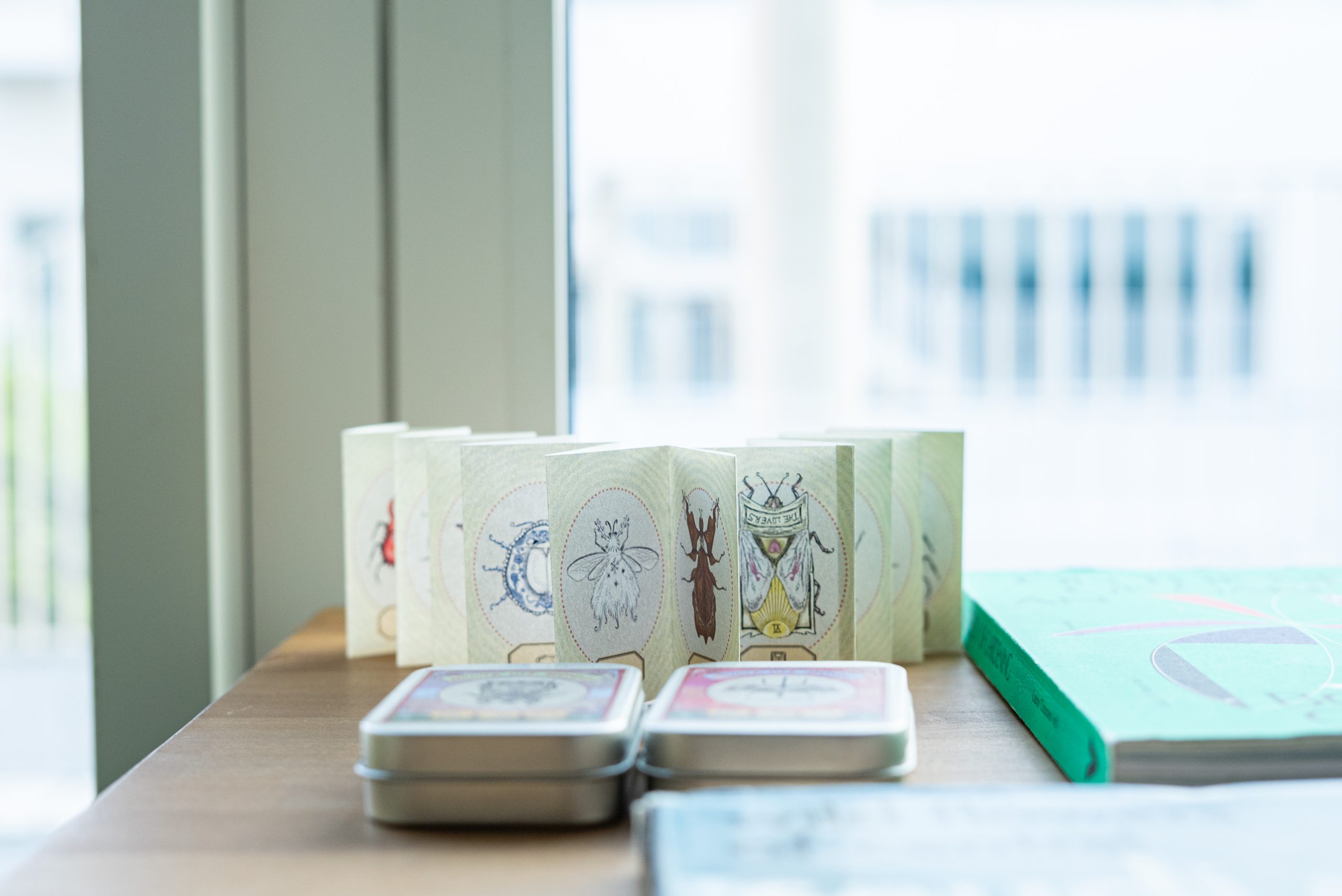
Maria shared five fascinating facts about five species featured in the book, beginning with the Darkling Beetle, which collects drinkable water from fog through indentations on its back, and the Red Fox, which uses the Earth’s magnetic field to guide its jumps with remarkable precision while hunting. The Handal plant carries cultural associations with bitterness in the Arabic language, most notably reflected in Handala, the iconic character created by Palestinian cartoonist Naji al-Ali. Datura, known in Arabic as Al-Banj, is a poisonous plant with hallucinogenic properties that was historically used as an anaesthetic in carefully measured doses. The Arabian Woodpecker, endemic to the Sarawat Mountains, carries a different story in its scientific name, Denrocoptes dorae, named by British explorer and intelligence officer St John Philby after his wife, Dora. Together, these species reveal the intersections of ecology, language, history and cultural memory that lie at the heart of the book.
Maria is currently working with the Khunfus team on upcoming volumes of the Wild Companion series, alongside new publications being developed in collaboration with writers, artists and researchers. She is also expanding her personal practice beyond books, exploring how stories and ideas can be expressed spatially and experientially through different mediums, including curatorial projects.
Maria finds inspiration in walking and reading. Whether wandering through the mountains, strolling along Jeddah’s Corniche or exploring the alleyways of Al-Balad, walking offers her moments of both discovery and reflection, allowing new ideas to emerge and accumulated thoughts to settle.
Reflecting on her previous experience working at Hayy Jameel, Maria shared that her favourite spaces remain Hayy Explorers and Jameel Library, both of which she helped develop alongside the Art Jameel Learning team. These spaces reflect an approach that continues to shape her practice today, creating opportunities for curiosity, knowledge exchange and meaningful human connections and experiences.