

 Shop
Shop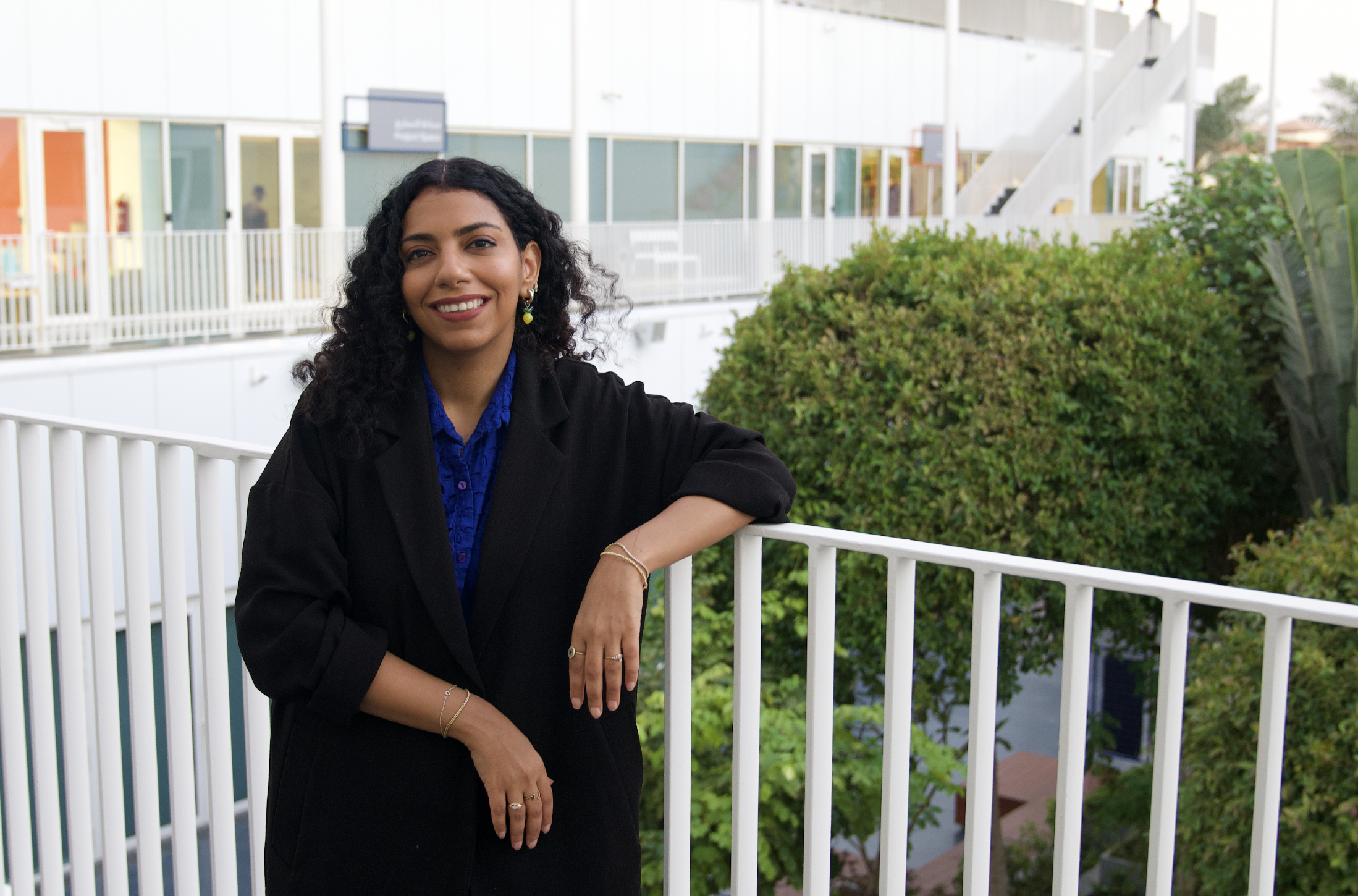
Omamah Ashmeel is an illustrator, occasional painter, and aspiring printmaker. While studying graphic design, an instructor introduced her to illustration as a discipline, and it was a turning point. Suddenly, everything clicked, this is what she had always wanted to do.
From a young age, Omamah was drawn to the joy of drawing and painting, though it wasn’t until university that she discovered that her passion, style, and creative approach had its own name: illustration.
Omamah’s artistic style is characterized by a sense of playfulness and emotion. She describes it as “naïve, active, childlike, colorful and expressive, often inspired by nature and emotion. I love creating work that feels alive and spontaneous”
She finds herself especially drawn to the connection between people and nature, and hopes to explore deeper narratives in her future work, focusing on themes like siblinghood, parenthood, and ancestral bonds.
Among her inspirations are illustrators like Isabella Mazzanti, Beatrice Blue, and Matthew Forsythe, whose poetic use of color and storytelling leave a strong impression. She also finds creative energy in the whimsical worlds of Studio Ghibli, Cartoon Saloon, and the cozy charm of Moominvalley and Frog and Toad.
Omamah’s contribution to the Youth Guide of the Hayy Arts exhibition ‘Redrawing the Boundaries: Art Movements and Collectives of the 20th Century Khaleej’ began with a visit to the show, observations of the artworks, taking notes, and an immersion into the visual and emotional language of the space.
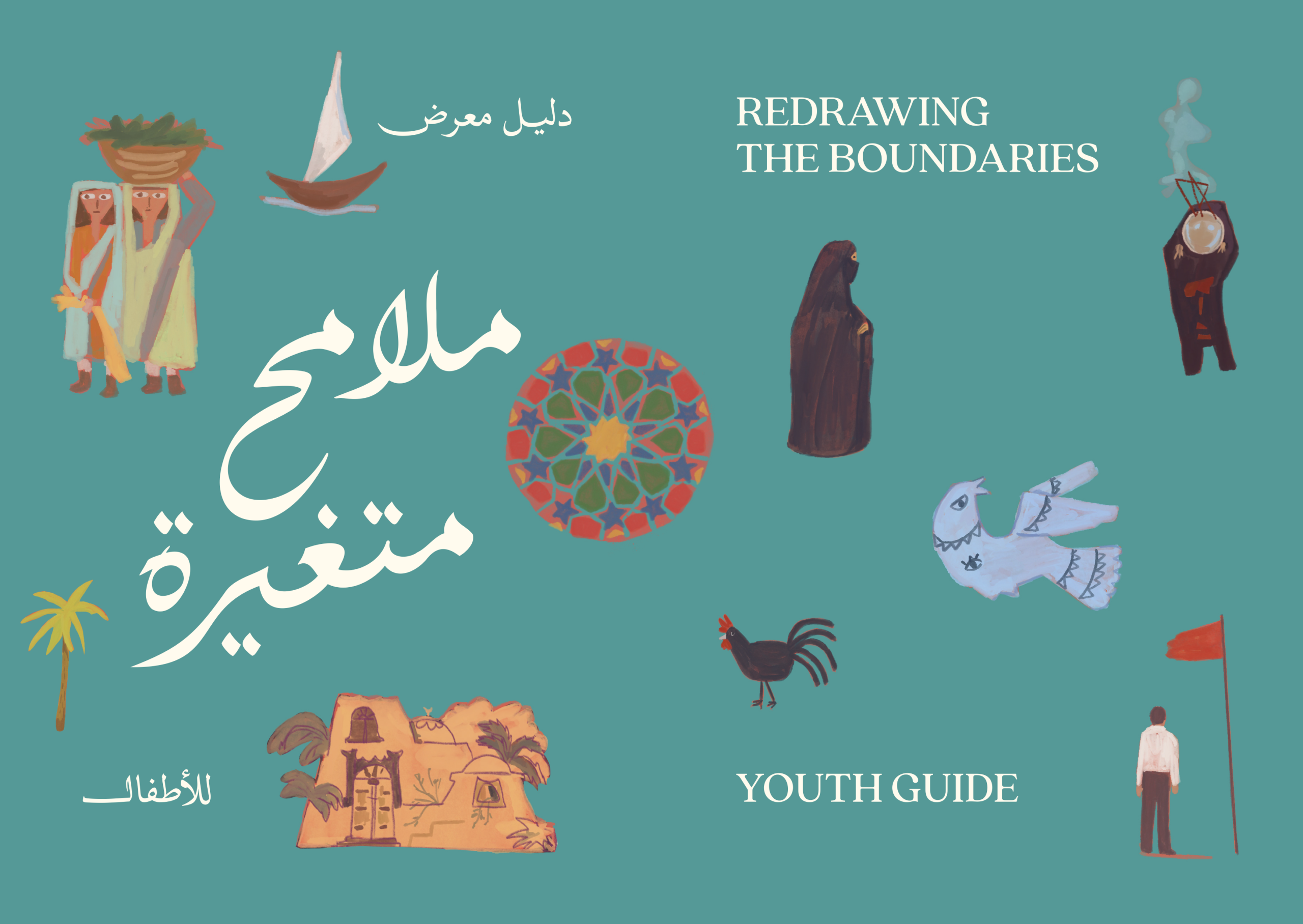
She focused her research on recurring symbols and motifs from the Khaleeji art, reinterpreting them through her own painterly, colorful lens to create a welcoming visual experience for younger audiences.
When illustrating for children, Omamah focuses on themes of innocence, joy, and self-connection. For older audiences, her work explores more nuanced emotions, longing, nostalgia, and the quiet melancholy that lies beneath the surface of everyday life.
Working on cultural projects allows her to reflect on her surroundings, identity, and emotional landscape — often expressed through color, texture, and familiar symbols.
Omamah has also expressed her admiration for Hayy Jameel as more than just a space, and sees it as a creative hub that reflects the community it serves: “I love that it’s a place for the community, by the community. It brings together people, ideas, and creativity in such an open and inspiring way — it always feels like there’s something new to learn or discover at Hayy.”